 English
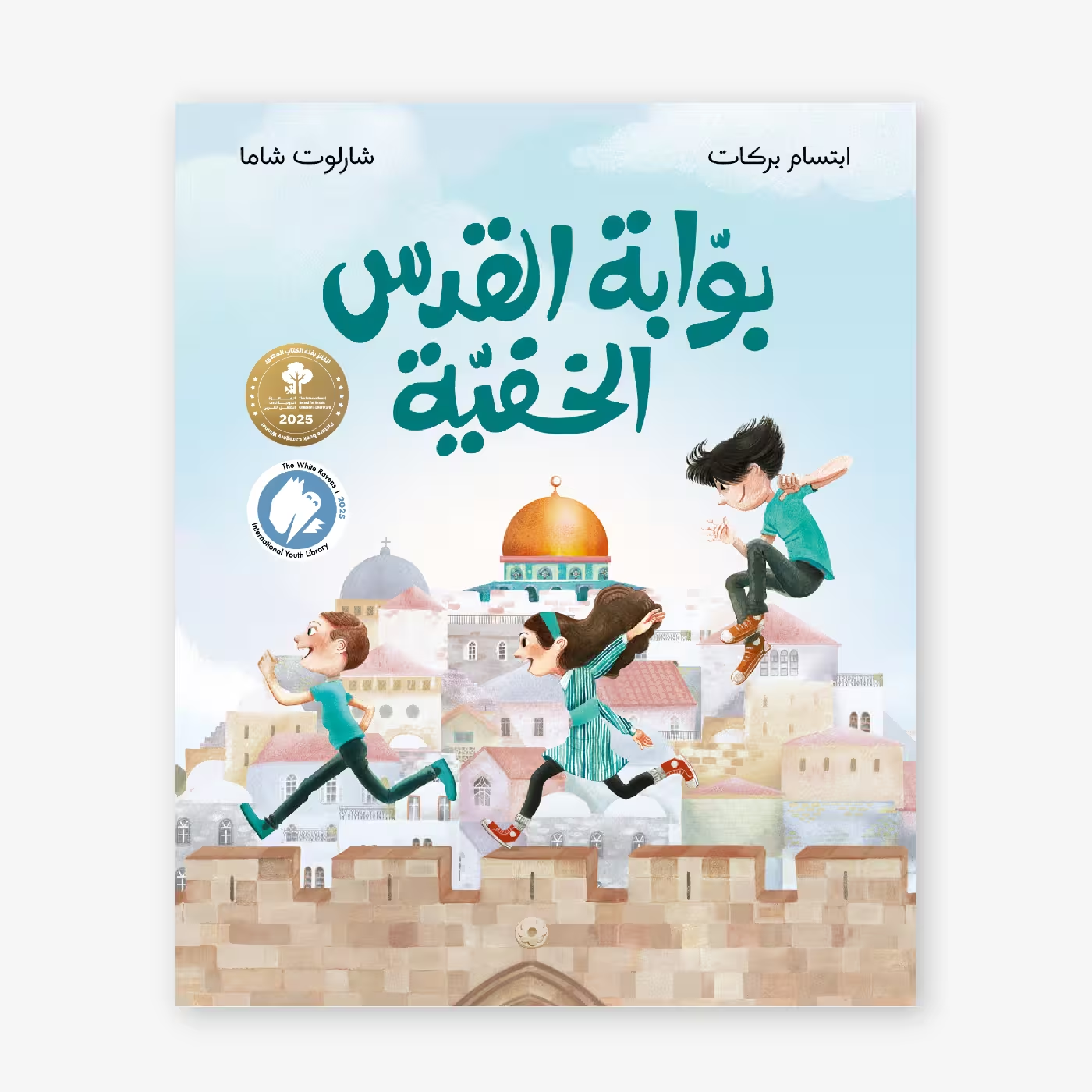
Jerusalem’s Hidden Gate
$ 17.60
Illustrated by:
The historic city of Jerusalem has many gates, but they remain closed to most Palestinian children. However, there is one hidden passage that welcomes children from all over the world to enter the heart of the city. Where could this hidden gate be?
Embark on a captivating journey through the historic streets and vibrant neighborhoods of Jerusalem in this beautiful heart-warming adventure.
Jerusalem’s Hidden Gate Parent and Teacher Guide
Jerusalem’s Hidden Gate is a story that weaves fantasy and reality seamlessly, inviting children to discover the beauty and significant heritage of Jerusalem. offering an exciting adventure that showcases the significance and importance of Jerusalem. It demonstrates how the city represents a symbol of identity and history, while also taking children on an extraordinary journey to discover the beauty and heritage of the ancient city of Jerusalem.
The story begins with Karim, Amjad, and Noura gazing at a painting called “The Camel of Burdens” in an art gallery in Palestine, wishing they could visit Jerusalem for once in their lives.
The Camel of Burdens is a picture of an old man, a porter, who is carrying the city of Jerusalem on his back – never putting it down, for fear he might lose it again.
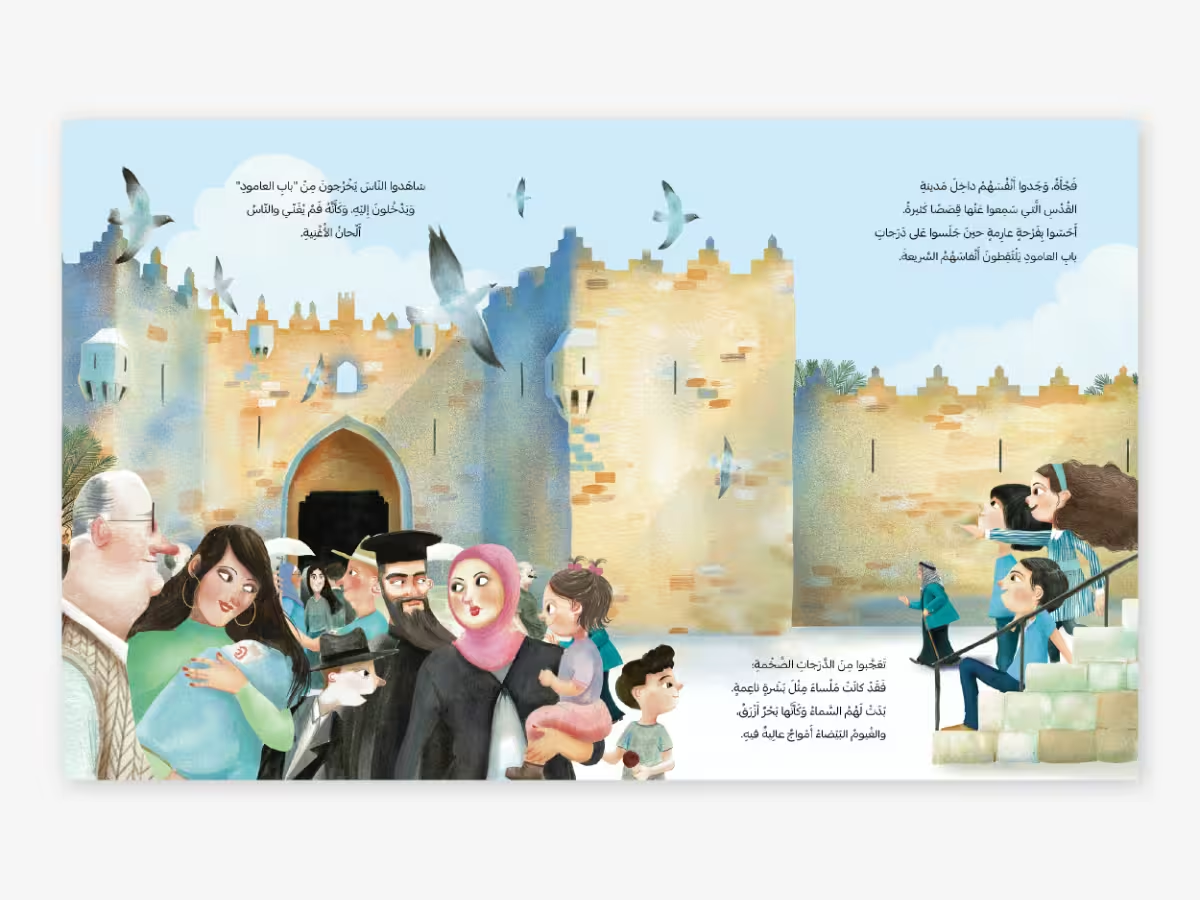
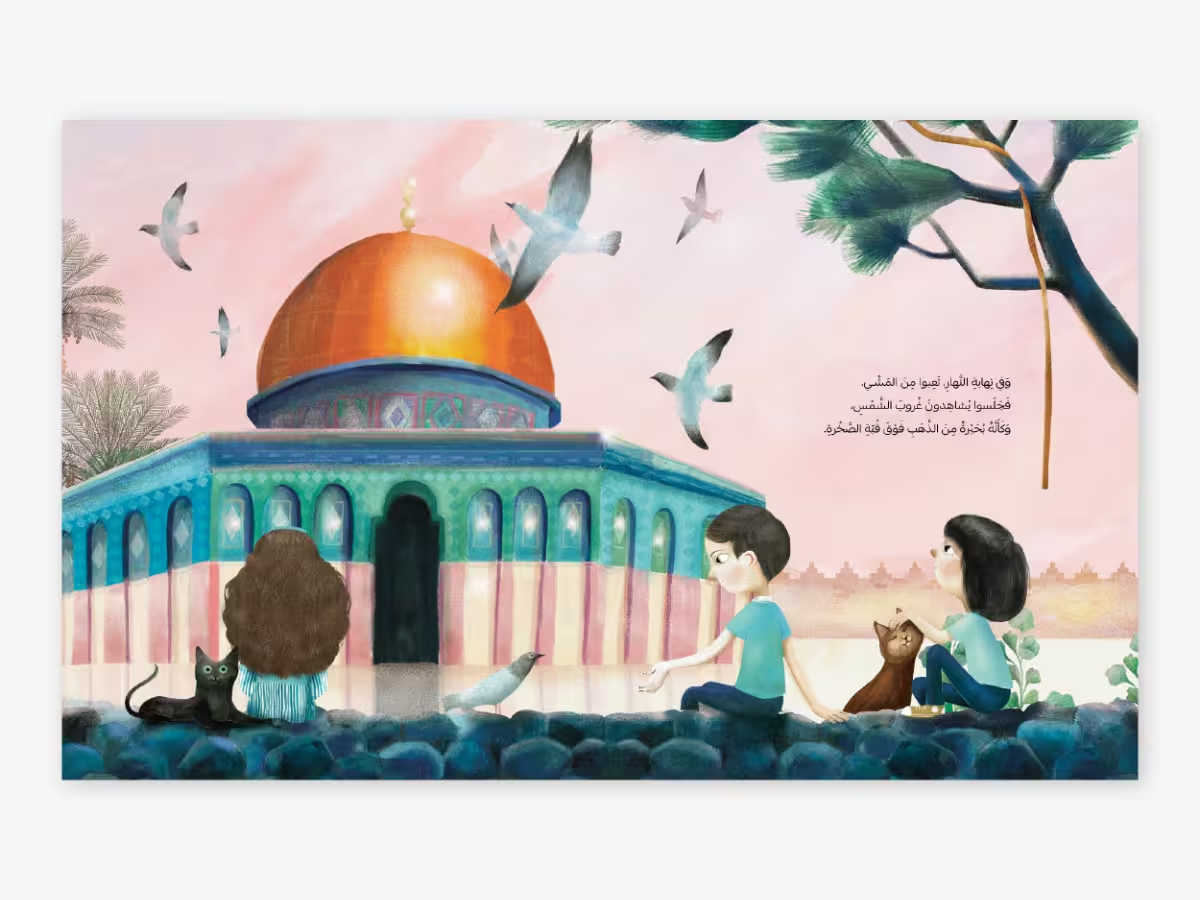
Suddenly the painting comes to life! The old man in the painting extends a rope to the children transporting them immediately to the heart of Jerusalem, to Bab Al’Amood. In Jerusalem, the children experience the most magical day of their lives. They explore the city’s ancient markets and iconic landmarks, from the Church of the Holy Sepulchre to the Dome of the Rock.
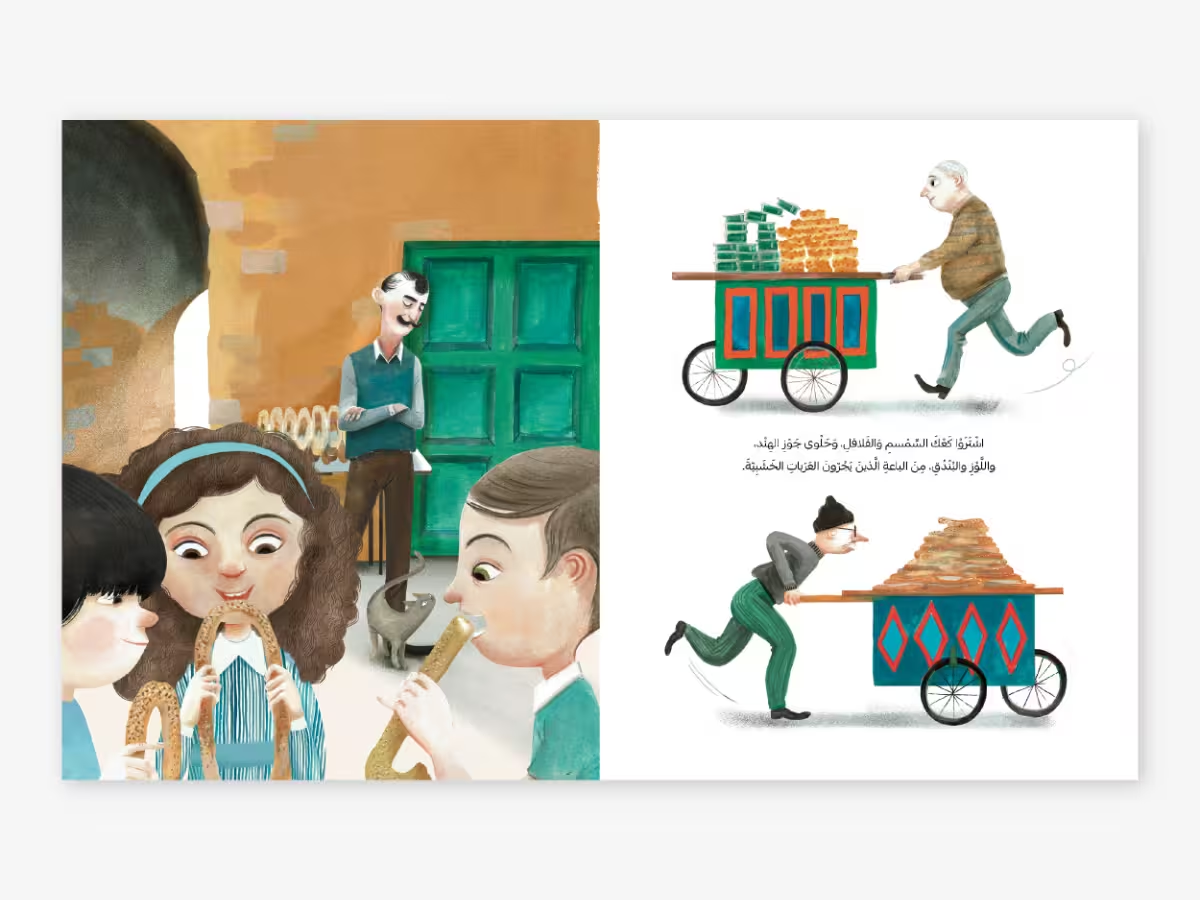
Running through the Spice Market and the narrow alleys, they play hide and seek, make new friends, and join a game of football. Their adventure is filled with joy and discovery, topped off with delicious ka’ak and sweet treats. It’s a day they will never forget!
After spending the most incredible day in Jerusalem, the children feel the pull to return home as the sun sets. They exit through the same hidden gateway, but this time they carry with them the sounds, tastes, and scents of their beloved city. Standing once again before the painting of “The Camel of Burdens,” the children watch as the old man bends down to lift the city back up only to find that it is now much lighter in weight.
The old man is alarmed at first but soon realizes that the children are now carrying a piece of Jerusalem in their hearts, sharing the weight which symbolically means that the new generation is sharing the steadfastness of the old Palestinian man to the right of their land. From that moment onward, the painting now travels the world allowing children from all over the world to enter the city of Jerusalem freely through this hidden secret portal.
Key Themes
- The Hidden Gateway to Jerusalem: The painting “The Camel of Burdens” becomes a hidden gateway that allows children to visit Jerusalem.
- The Children’s Journey in the City: Exploring Jerusalem’s historical landmarks, alleys, markets, and streets.
- The Connection Between Humans and Place: “The Camel of Burdens” carries the city on its back, fearing its loss, symbolizing the protection of Palestinian heritage and the preservation of identity.
- Carrying the City’s Memories: Upon their return, each child carries a piece of Jerusalem in their memory, lightening the load for “The Camel of Burdens.”
- Continuation and Spread of the Story: The painting travels between galleries and cities, offering more children the opportunity to experience the magic of the “Hidden Gateway to Jerusalem.”
About the painting “The Camel of Burdens”
The Palestinian artist Suleiman Mansour painted the artwork “The Camel of Burdens” in 1973, also known as “The Palestinian Porter.” The painting depicts an elderly Palestinian man carrying the city of Jerusalem on his back, symbolizing the weight of responsibility and the burden of the Palestinian cause.
The painting became an icon of Palestinian and Arab art, a symbol of Palestinian struggle and resilience in the face of Israeli occupation.
In 1986, the original version of the painting was destroyed in an American airstrike on Libya, where Mansour was exhibiting it in an art gallery. It is believed that the painting was lost in the fire that broke out at the gallery’s headquarters.
The artist did not give up on his work and painted a new version in 2004. The new version retained the same concept and style, with some minor adjustments. The new version became a masterpiece symbolizing the resilience of the Palestinian people and their determination to achieve freedom.
Questions for Discussion
- Look closely at the painting Camel of Burdens and describe it in full detail.
- Have you ever been to an art gallery? Which painting did you like the most and why?
- Why do you think the painting is called The Camel of Burdens?
- What place in Jerusalem did you like the most in the story and wish you could visit?
- If you had an invisible and magical portal, what place would you wish to enter through it and why?
- If you found a hidden gate like the one in the story, who would you take with you on the journey and why?
- Ask the children to draw the “Hidden Gate of Jerusalem” as they imagine it or redraw the Jerusalem landmarks they liked from the story.
- If you had to carry something valuable that you never want to lose, what would it be and why?
- If you had the freedom to play outside for a long time, what would you like to do and why?
- If you had the opportunity to paint a magical painting, what would you paint and how would it turn into a great adventure?
| ISBN | 9789957042967 |
|---|---|
| Pages | 36 pages |
| Binding | Hard Cover |
| Weight | 0.375 kg |
| Size | 27 × 22 cm |
Only logged in customers who have purchased this product may leave a review.
Related Products
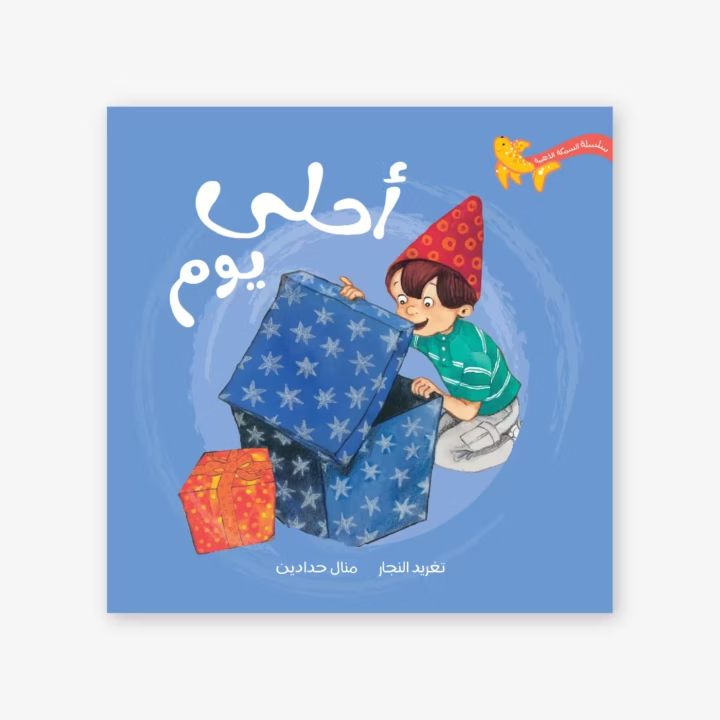
Ra’ad eagerly awaits his birthday party, helping his parents with the preparations, and soon his friends arrive to kick off the celebration.
But what could be hiding in one of Ra’ad’s presents? Lift the flap to reveal the surprise!
The Nicest Day captures the joy of birthdays, from planning to unwrapping gifts, and encourages children to reflect on their own birthday wishes and experiences. Perfect for sparking conversations about the magic of birthdays!
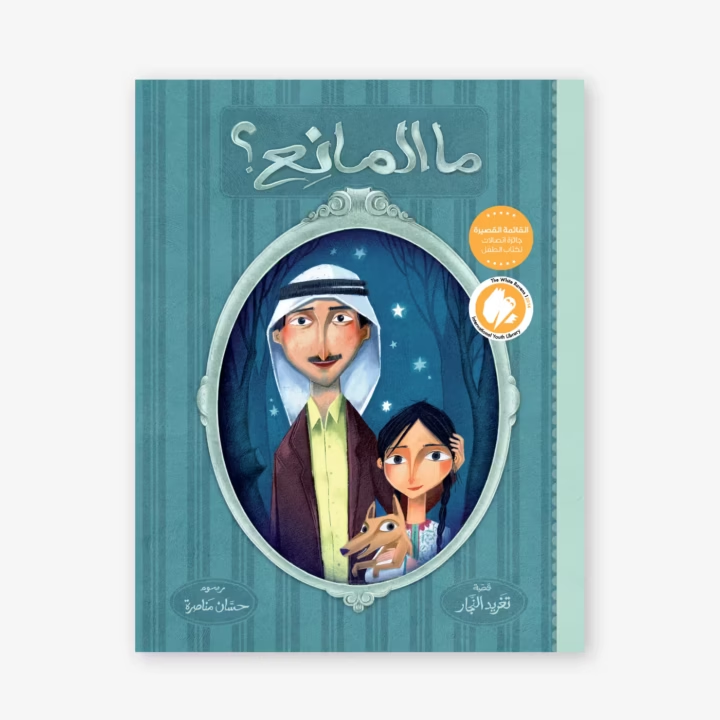
For thirty years, Samia’s father never missed a single day of work—until one day, he fell ill and couldn’t go out to wake people up for Suhoor.
Knowing how dedicated her father is to his duty, Samia decides to take his place for one night until he recovers. But will her father accept her stepping into the role of the Musaharati? And how will the villagers react?
A touching story that highlights values such as courage and solidarity while showcasing cherished Ramadan traditions.
It transports readers to the enchanting village of Lifta in Palestine during the 1930s.
Listen to the Musaharati song from below.
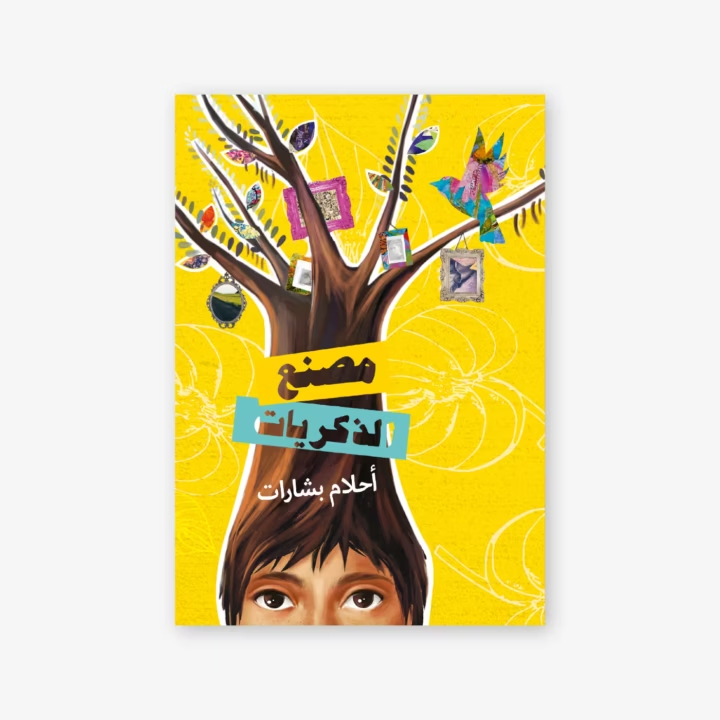
Jaber, Rafia, Mansour and Adli are ready to move to 10th grade. They have been good friends since they were in KG. Under the Carob tree on Asour Hill the friends play the Memory Game and share roles that will soon expose the hidden facets of each of their personalities. What is it that pushes Jaber to protect his memories? Why did Jaber create a Memory factory in his imagination? Will Jaber succeed in moving out of the memory circle to real life? A moving novel full of deep emotions honoring memories and the will to live in the present.
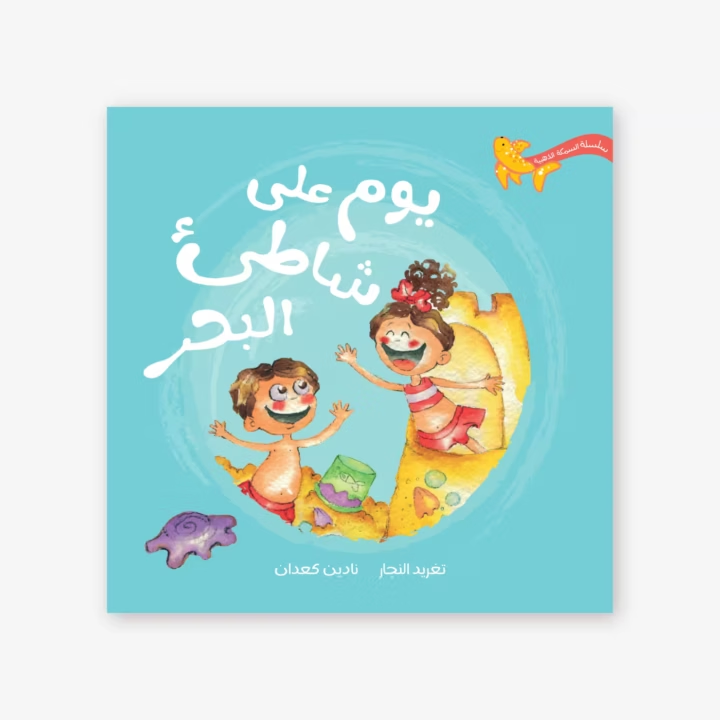
Hadeel and Nabeel spend a fun-filled day at the beach. While making a sandcastle they uncover a mysterious clay pot buried in the sand— there’s something hiding inside! What could it be? Lift the flap to reveal the surprising secret!
This engaging story sparks children’s curiosity, fostering a love for exploration and teamwork.
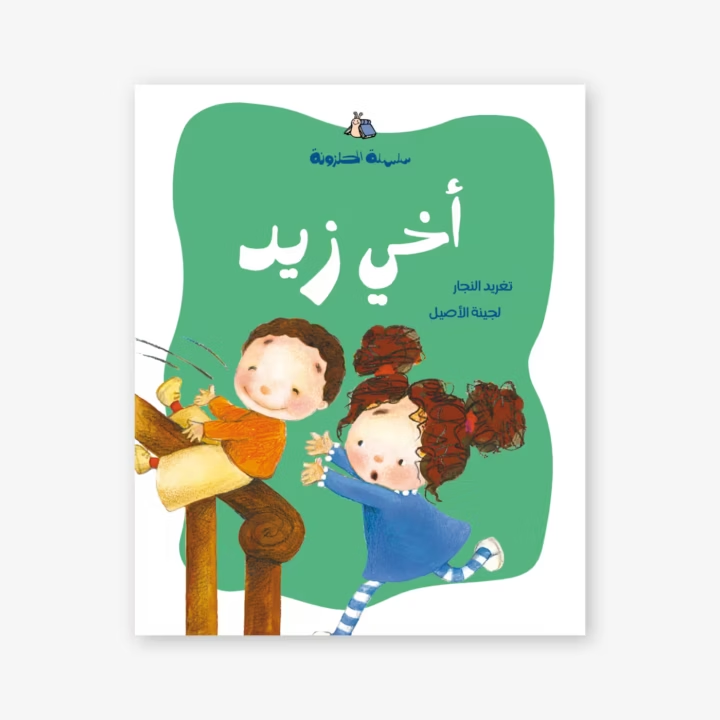
In this heartwarming story, Jude candidly shares the frustrations and annoyances of having a younger sibling, but in the end, her love and affection for her young brother Zaid shine through.
A perfect story for young readers that highlights the ups and downs of sibling relationships and the power of family bonds.
The relationship between an older and a younger sibling is a complicated one, highlighted by conflicting feelings. On the one hand, the older sibling is expected to love and help the younger one and does have feelings of protectiveness, pride and affection.
In this story, Jude comes to the realization that Zaid’s annoying behavior is his way of telling her that he loves her and wants to play with her.
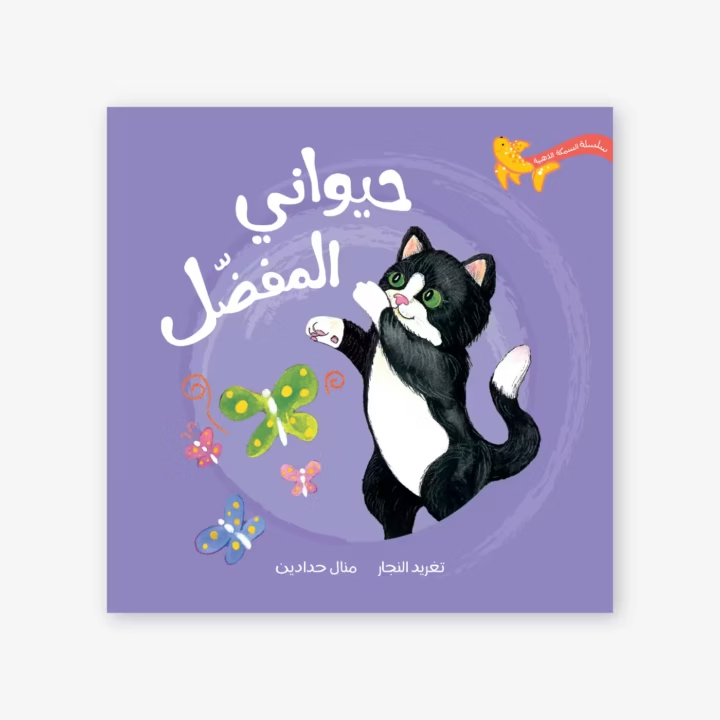
The teacher asks the children to bring their favorite animals for a fun “show and tell”.
Everyone is in for a surprise when Hazem walks in with his favorite animal. What could it be? Lift the flap to find out!
This engaging story explores the unique traits of some animals and invites children to interact and guess Hazem’s animal, sparking curiosity and imagination.
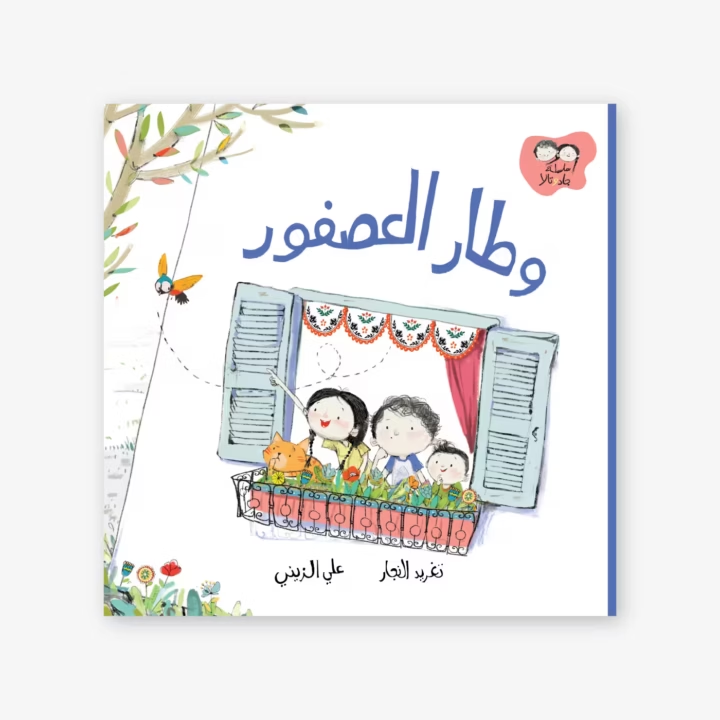
While Jad is playing in the garden, a bird falls on the ground right in front of him. Jad gently carries the bird and tries to revive it, then he and his sister Tala put the bird in a box in Jad’s room. They make sure the door remains closed to protect the bird from their cat Fustuq.
The next day the bird is nowhere to be found. Whatever happened to the bird and where did it go?
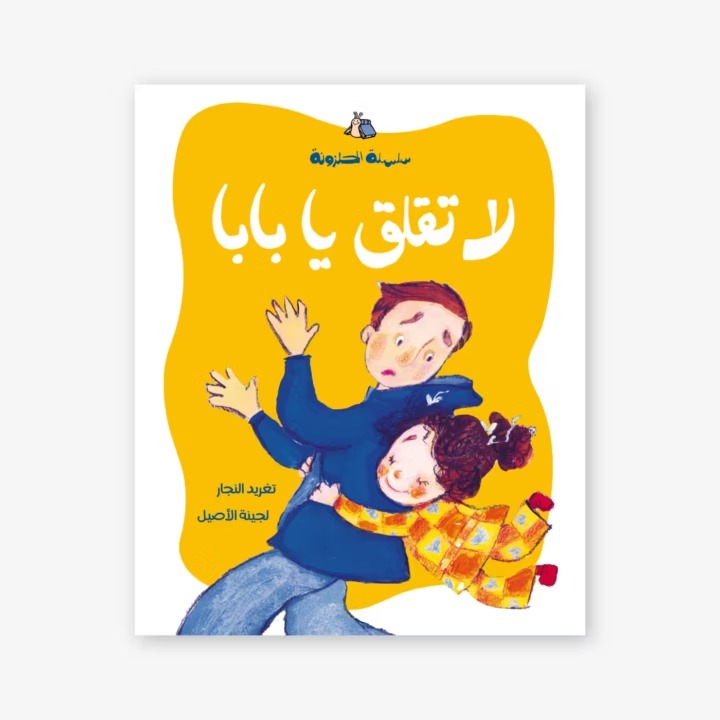
In this story, Jude’s father finds himself in a series of tricky situations, but luckily, Jude is there to save the day!
This heartwarming and humorous story not only shows children how they can help and support their parents when things go wrong, but also teaches an important lesson—that adults, too, can make mistakes.
A perfect read for boosting self-confidence and fostering empathy, Don’t Worry, Dad is a delightful reminder that we all need a little help sometimes.
Reviews
There are no reviews yet.